

Understanding Stone Finishes: Polished, Honed, Brushed and More
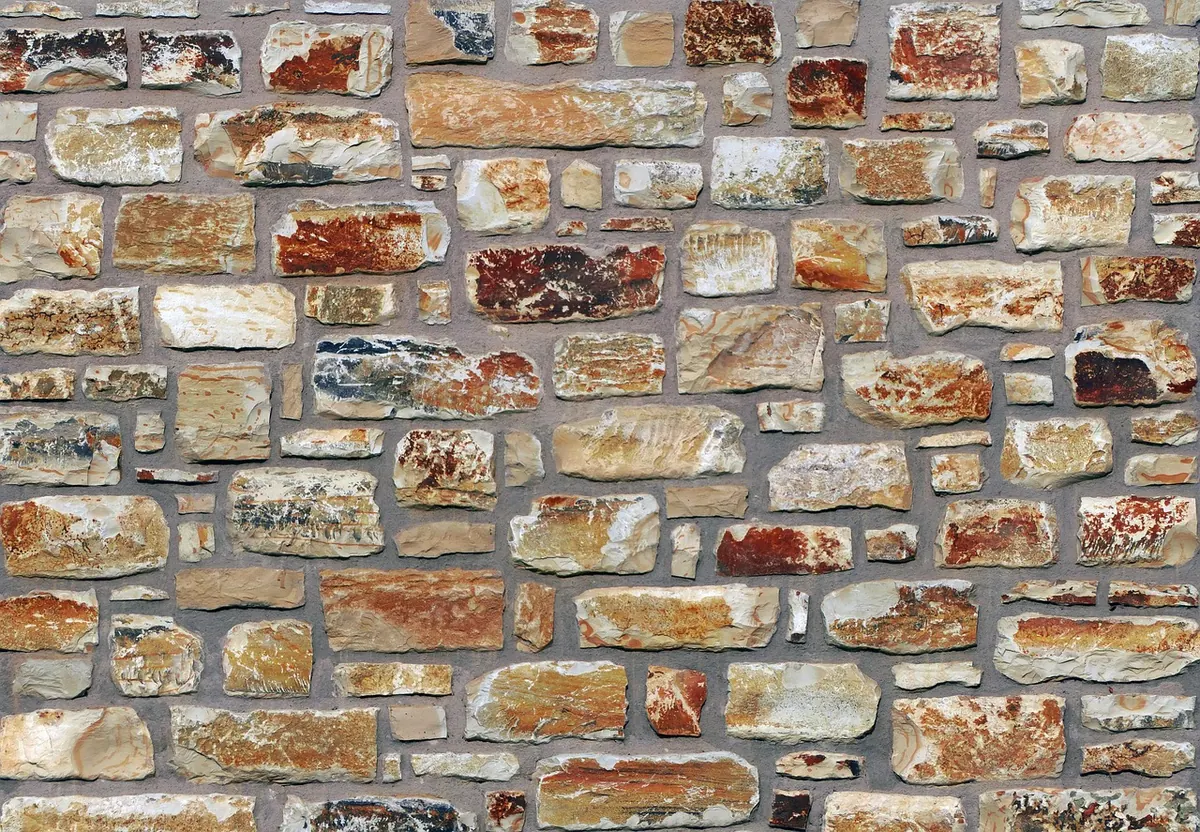
Two slabs cut from the same block of Carrara marble can end up looking like different stones. One is a near-mirror that throws light around a hallway; the other is a soft, chalky grey that reads almost like lime plaster. Nothing changed except the surface.
Finish is the most underrated decision in any stone project. It shapes how a floor feels underfoot, how often you reach for a cloth, whether a step is safe in the rain, and how the colour of the stone actually reads in a real room. Get it right and the stone settles into the space as though it was always there. Get it wrong and you will spend years wishing you had ordered more samples.
What a finish actually is
Every finish is a sequence of abrasives, and the sequence is what matters. Stone leaves the block sawn flat but coarse. From there, a series of heads grind the surface with progressively finer grits: coarse diamond segments first, then finer and finer until the surface is smooth and light reflects cleanly off it. Stop early and you have a honed surface. Keep going and the surface closes up into a polish.
Textured finishes work differently. Instead of smoothing the stone, they deliberately disturb it, using wire brushes, hammers, grit blasting or a flame. Some are applied at the factory, some on site for thresholds and steps, though the on-site work is dusty and best left to a specialist with the right extraction.
Three things change with every finish: how much light bounces back, how much grip the surface offers when wet, and how readily it takes a stain. Everything else is aesthetics, and aesthetics matter more than most people expect.
Polished
A polished surface is glossy and reflective, and it deepens colour dramatically. Dark granite goes almost black, green marble looks wet, and veining sharpens into focus. Used well, it adds a formality that no other finish can match.
It suits wall cladding, fireplace surrounds, vanity tops, reception floors in dry areas and table tops. It is a poor choice for bathroom floors, wet rooms, kitchen floors or any external step, because a polished surface is genuinely slippery when wet. If slip matters in your project, ask for test data for the specific stone and finish, usually quoted as a pendulum value or a German R rating, rather than assuming the material is fine because it is stone.
The other catch is etching. Acids, including lemon juice, vinegar, wine and plenty of household cleaners, will dull a polished surface on calcite-based stones such as marble, limestone, travertine and onyx. It is not dirt and it will not wash off. Granite, quartzite and basalt stand up far better. If you want a polished marble worktop, either accept the patina it will develop or choose a different stone for the working surface.
Honed
Honed stone is smooth but matte, with anything from a flat chalky look to a soft satin sheen. It is the most forgiving finish for the way most of us actually live. Glare disappears, colours read a shade lighter and slightly softer, and scratches and etching are far less obvious than on a polished surface.
The trade-off is absorbency. Honed stone generally takes in liquid more readily, so sealing matters, and darker honed surfaces will show water marks, fingerprints and oil splashes more clearly than lighter ones. In practice, honed is the default for kitchen worktops, bathroom floors, wall cladding and hall floors in older properties where a mirror finish would look out of place.
Some suppliers also offer a leather or satin finish, which sits between honed and polished with a slight sheen and a faint surface texture. It feels warm to the touch, resists fingerprints well and is worth asking about for granite and quartzite worktops.
Brushed, flamed and the textured family
Textured finishes are about grip, age and honesty of material. They wear well, hide marks and suit both period buildings and modern exteriors.
- Brushed. Wire brushes pull out the softer minerals and leave a softly textured, slightly aged surface. Excellent on floors, external paving and anywhere that sees heavy foot traffic.
- Flamed (thermal). A fierce flame makes the surface crystals flake, producing a rough, grippy finish. It is used almost exclusively on granite, and it is a strong choice for paving, steps and driveways. Flamed stone usually reads lighter and pinker than the same stone polished.
- Bush-hammered. Mechanical hammers pit the surface into a deep, even texture with superb grip. Traditional on steps, kerbs, pool surrounds and external cladding, though it holds dirt and is hard on bare feet indoors.
- Sandblasted. Fine grit blasting gives a uniform matte surface; heavier blasting produces a coarser tooth. A light blast works well on interior wall panels, while heavier versions suit paving and wet areas.
- Split-face or riven. The stone is split along its natural bedding to leave a rough, undulating face. Ideal for wall cladding and chimney breasts, never for floors.
Tumbled and antiqued finishes are a gentler option, usually applied to tiles and setts. They soften the arrises and give a worn, settled look that suits cottage floors and heritage schemes without the aggression of a bush-hammered surface.
Matching the finish to the space
- Kitchen worktops: honed or leather for most stones. Polished only where you accept the maintenance.
- Bathroom and wet room floors: honed or lightly textured, with verified slip resistance.
- Pool surrounds and external steps: bush-hammered, flamed or heavy sandblasted.
- Hallways and entrance floors: honed or brushed, which disguise grit and traffic marks.
- Fireplace surrounds and feature walls: polished for drama, split-face for texture.
- Garden paving: flamed or brushed, and confirm the stone is suitable for external use in a freeze-thaw climate.
Consistency matters as much as the individual choice. Carry one finish through a room rather than mixing four, and use a change of finish to mark a change of function, such as honed worktops above a brushed floor.
Before you order
- Order physical samples, not photos, and view them in the room at different times of day.
- Wet the sample to see the colour change and test how it feels underfoot.
- Check slip data and water absorption for the exact stone and finish, especially for commercial or public projects.
- Confirm sealing, cleaning products and maintenance expectations in writing.
- Ask how the finish is achieved and whether it can be recreated if you need to match a later batch.
A finish is not a cosmetic detail bolted on at the end. It decides how the stone ages, how it behaves in wet weather and how much work it will ask of you. For listed buildings, commercial schemes or anywhere with a duty of care around slip, take advice from a stone consultant or your specifier before the order goes in. Choose deliberately and the stone will do its job quietly for decades. Choose by habit and you will notice the mistake every single day.
Photo: anaterate / Pixabay