



How to Choose the Right Natural Stone for a UK Kitchen Worktop
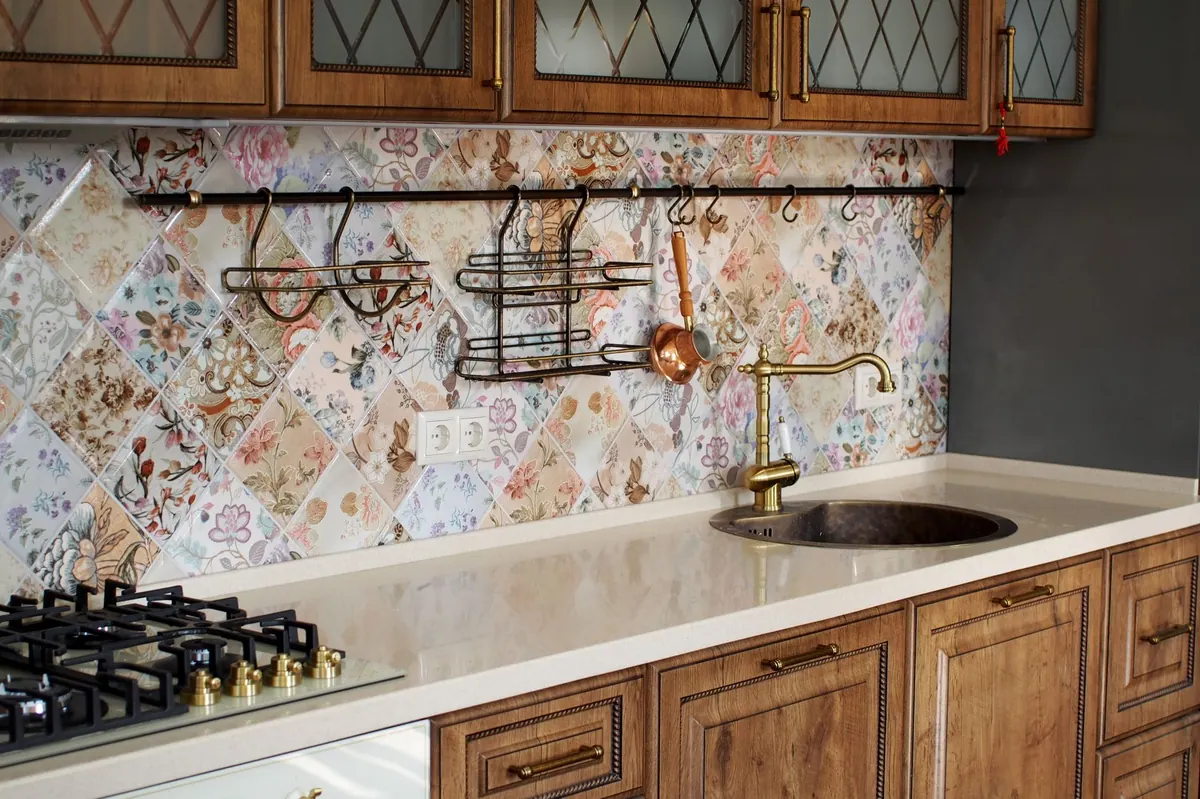
A worktop takes more punishment than any other surface in the house. It holds hot pans, catches spills, gets wiped with whatever cloth is nearest, and still has to look decent at breakfast. Natural stone does all of that with a character no laminate can match, but the four materials most people shortlist are not interchangeable. Choosing the wrong one for the way you cook is an expensive way to find that out.
Here is how granite, marble, quartzite and slate compare on the things that actually matter: hardness, staining, upkeep, and how they behave in British homes.
Start with how you use the kitchen
Before comparing stones, be honest about your habits. A worktop in a flat where the hob is used twice a week has a different brief from one in a family kitchen where curry is cooked on Sundays and pastry is rolled out on it.
- Acid: do lemons, vinegar, wine and tomatoes land on the surface regularly?
- Heat: do pans go straight down, or do you always reach for a trivet?
- Knives: do you chop on the worktop, or on a board?
- Change over time: do you want a surface that stays uniform, or one that develops a patina?
Answer those four and the choice narrows quickly.
Granite: durable, forgiving, widely available
Granite is an igneous rock, formed deep underground and hard enough to shrug off most of what a kitchen throws at it. It resists scratching well and copes with heat, though a trivet is still sensible — thermal shock can damage any stone, particularly at a thin edge. Granite is porous, but most slabs arrive factory-sealed. A wipe-down with a mild pH-neutral cleaner, plus a fresh coat of impregnating sealer roughly once a year, keeps it easy to live with. Honed finishes hide water marks and fingerprints better than polished ones.
Choice is broad, from near-black to pale grey, but heavy veining can look busy across a large island. Ask to see the actual slab, not a hand-sized sample.
Marble: beautiful, and honest about its limits
Marble is the stone most people fall for and the one most likely to disappoint. It is softer than granite and based on calcium carbonate, so acids etch it. A squeezed lemon left for ten minutes can leave a dull patch that no domestic polish will remove.
That is not a reason to avoid it, but it is a reason to choose it knowingly. A honed finish hides etching far better than a polished one, and many people come to like the patina — think of the worn marble counters in old bakeries. Sealing helps with staining; it does not stop etching, and neither does a matte finish.
Where marble works well
Keep it away from the sink, where water rings and limescale collect, and away from the hob. It suits a baking station, a low-traffic island or a splashback, with something harder doing the heavy work elsewhere.
Quartzite: hard, varied, and often mis-sold
Quartzite is metamorphosed sandstone, usually harder and denser than granite, and often dramatically veined. It can make an excellent worktop that takes everyday knocks and stains well. The problem is naming. Some material sold as quartzite is marble or a softer carbonate stone wearing a fashionable label, and it will etch just like marble.
A five-minute test
Ask your fabricator for an offcut and put a drop of household vinegar on a clean, dry patch. If it fizzes, or dulls the surface after a few minutes, it contains carbonate and will etch. True quartzite will not react. Do this before you pay a deposit, because the difference matters far more than the word printed on the sample.
Quartzite still benefits from sealing, as porosity varies between quarries. Note too that engineered quartz, made from resin and crushed stone, is a different product: non-porous and uniform, but not natural stone and less tolerant of heat.
Slate: quiet, tough and low-maintenance
Slate is a fine-grained metamorphic rock with a matte, understated finish that suits period properties and modern kitchens equally. It is dense and low-porosity, resists staining, and needs little beyond a wipe. Because it splits along bedding planes, though, it can chip or flake at a sharp edge, and a riven finish traps flour and crumbs. Honed slate is much easier to keep clean if you bake often. Grey through to charcoal, it can feel heavy in a small, dark room — take a sample home and look at it in your own light.
How British homes shape the choice
Indoor worktops are not exposed to frost, so freeze-thaw is only a concern if you are fitting stone in an unheated conservatory or an outdoor kitchen. Other local factors matter more.
Older housing stock often has solid walls and limited ventilation, so kitchens stay humid through winter. That makes sealing the underside and edges worthwhile, especially around a sink cut-out where water sits. In hard water areas, limescale shows quickly on dark polished stone; a squeegee and a dedicated stone cleaner save a lot of irritation. Polished surfaces also reveal grit tracked in from the garden, so a honed or brushed finish is more forgiving in a busy household.
Weight is the other practical point. Thick stone slabs are heavy, and any generous overhang needs proper support brackets or legs. Sink and hob cut-outs are weak points, so keep them away from the edge and let your fabricator plan the layout before templating. If your cabinets are not yet fixed and level, wait — templating happens once, and it has to be right.
Before you order: a practical checklist
- Live with a large sample or offcut for a week. Put oil, wine and lemon on it, leave them, and see what happens.
- Record the slab you chose — batch, reference or a photograph — so the delivered stone matches what you saw.
- Confirm thickness, edge profile and finish in writing.
- Agree who seals it and when, and which cleaner you should use afterwards.
- Ask how overhangs and cut-outs will be supported.
- Get a written quote covering cut-outs, edgework, delivery and fitting.
Buy the stone you can live with, not just the one that looked best under showroom spotlights. If in doubt about a particular slab, ask a qualified fabricator to test it and advise on suitability before you commit.
Photo: Natalia Goryaeva / Pexels